A Scorpion’s Tail Is a Biological Syringe! 🦂💉
What Makes a Scorpion’s Tail Special?
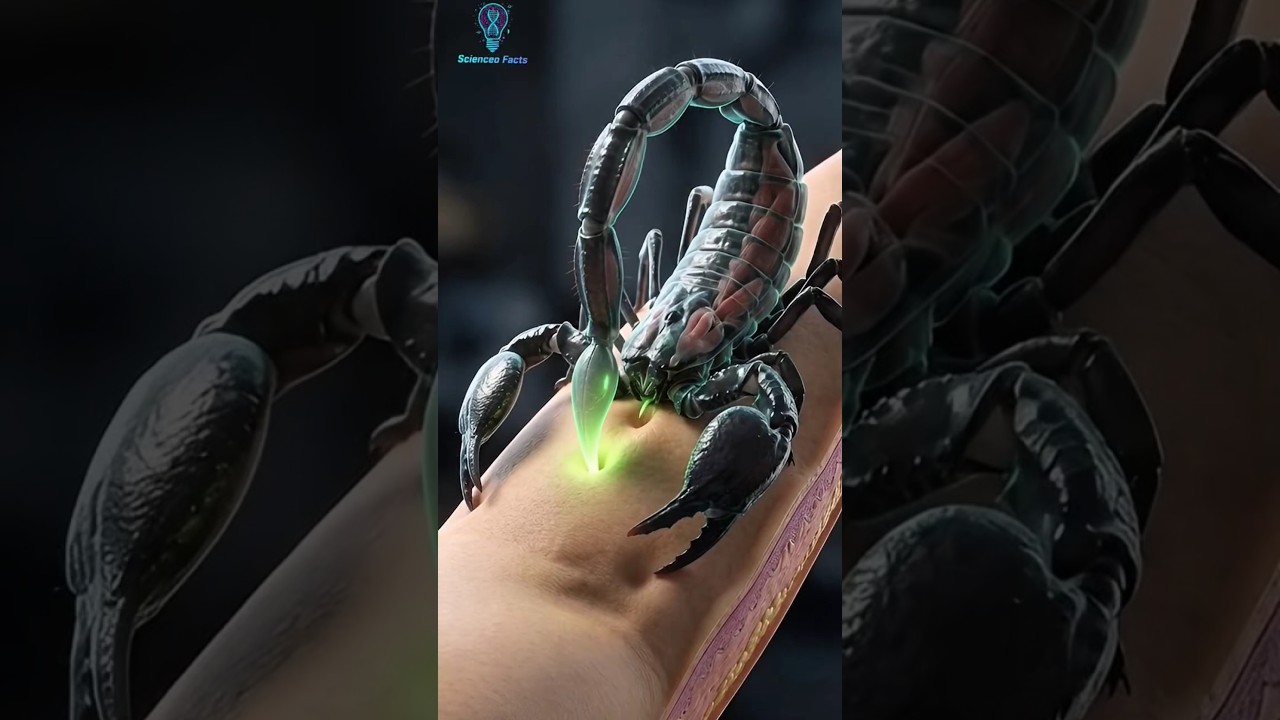
Scorpions are arachnids with a distinctive segmented tail called the metasoma. This tail is not just for show—it houses venom glands and a hollow stinger, functioning much like a natural syringe. When a scorpion strikes, it injects venom into its prey or a potential threat, immobilizing or deterring it instantly.
How Scorpion Venom Works
The venom delivered by the stinger is a complex mix of neurotoxins, enzymes, and other compounds. It can paralyze prey, aid digestion, and in some species, be deadly to humans. However, only a small fraction of scorpion species produce venom strong enough to cause serious harm to people, while most deliver a painful sting similar to a bee bite.
Structure of the Biological Syringe
Inside the tail, muscles and nerves control the movement of the stinger, while the venom gland pumps the fluid through a hollow barb. This natural syringe mechanism allows the scorpion to inject venom accurately and efficiently. The speed and precision of the strike are astonishing, often too fast for prey to react.
Scorpions and Human Interaction
Scorpions have fascinated humans for centuries due to their unique biology and venomous sting. While some cultures fear them, others study scorpion venom for medical purposes, including painkillers and cancer research. Understanding how the scorpion’s tail works provides insight into evolution and survival strategies in the animal kingdom.
Conclusion
The scorpion’s tail is a marvel of natural engineering—a true biological syringe that allows it to hunt, defend, and survive. By observing this tiny predator, scientists continue to learn about venom, evolution, and the delicate balance of ecosystems.
Read more fascinating animal biology at Celebrity Newz.


No comments:
Post a Comment